
Product Details
EMPAGLUTER 10
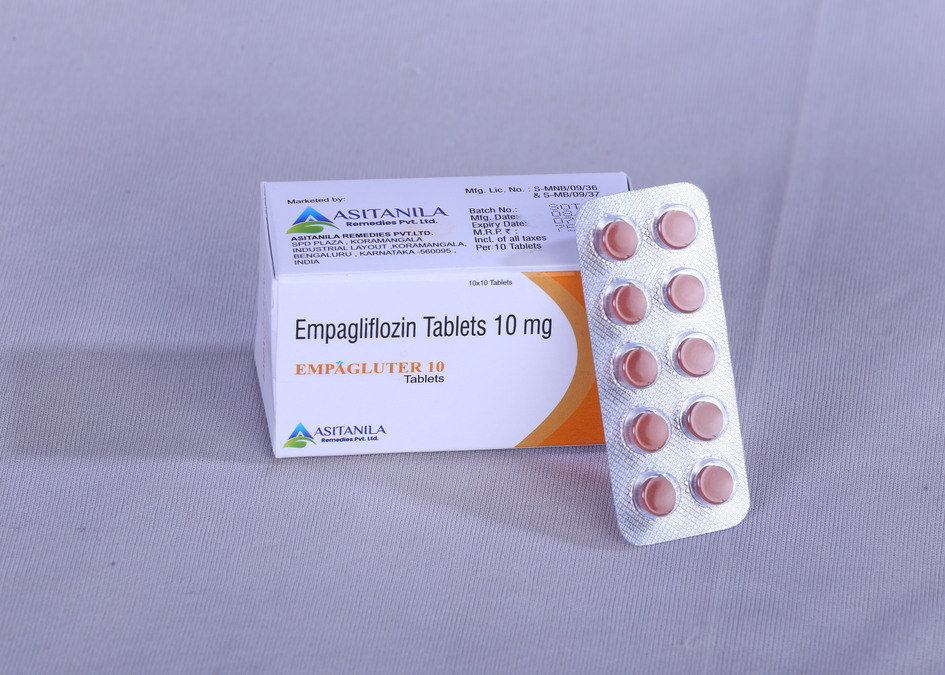
Empower Your Health with EMPAGLUTER 10
Asitanila Remedies is proud to introduce EMPAGLUTER 10, your partner in the comprehensive management of health conditions associated with elevated blood sugar.
EMPAGLUTER 10 is an oral prescription medicine containing Empagliflozin 10 mg. It belongs to a class of drugs known as SGLT2 inhibitors, offering a multi-faceted approach to health management, primarily for:
1. Lowering High Blood Sugar: For adults with Type 2 Diabetes Mellitus.
2. Cardiovascular Protection: To reduce the risk of cardiovascular death in adults with Type 2 Diabetes and established Cardiovascular Disease.
3. Heart Failure Management: To reduce the risk of cardiovascular death and hospitalization for adults with Heart Failure (HFrEF and HFpEF).
4. Chronic Kidney Disease: To reduce the risk of sustained decline in eGFR, end-stage kidney disease, cardiovascular death, and hospitalization for heart failure in adults with Chronic Kidney Disease (CKD).
How Does It Work? (Mechanism of Action)
Empagliflozin, the active ingredient in EMPAGLUTER 10, works in a unique, insulin-independent way:
· It selectively inhibits the Sodium-Glucose Co-Transporter 2 (SGLT2) protein in the kidneys.
· By blocking SGLT2, it prevents the reabsorption of glucose back into the blood.
· This results in increased excretion of glucose (sugar) via the urine (glucosuria), thereby lowering blood glucose levels.
· This mechanism also contributes to its benefits for the heart and kidneys by promoting the excretion of excess sodium and water, which helps reduce fluid retention and stress on the cardiovascular system.10
Important Safety Information
EMPAGLUTER 10 is a prescription medicine. Always take it exactly as prescribed by your doctor. It is not for the treatment of Type 1 Diabetes or Diabetic Ketoacidosis (DKA).
Consult your doctor immediately if you experience any serious side effects or have concerns. Possible serious side effects may include:
· Diabetic Ketoacidosis (DKA) - Symptoms include nausea, vomiting, stomach pain, excessive thirst, trouble breathing, or unusual tiredness, even if blood sugar is not very high.13
· Dehydration - May lead to dizziness, lightheadedness, or fainting.
· Genital Yeast Infections (Vulvovaginitis or Balanitis)
· Serious Urinary Tract Infections (UTIs)
· Fournier\\\'s Gangrene (A rare, but serious infection of the genital or perineal area)